The world of classic Ford restoration has never been more exciting — or more technically demanding. Whether you’re breathing new life into a vintage Mustang or rebuilding a mid-century Ford truck, the intersection of heritage craftsmanship and modern engineering is reshaping what restoration truly means.
Today’s collectors and enthusiasts aren’t just preserving history; they’re elevating it. From sourcing period-correct components to selecting the right power systems, every decision carries weight.
Understanding the full scope of what goes into a successful restoration project — mechanical, electrical, and aesthetic — is the foundation of doing it right.
The Evolution of Classic Ford Restoration
Restoration culture has shifted dramatically over the past two decades. What was once a purely mechanical pursuit — pulling engines, replacing gaskets, repainting faded bodywork — has evolved into a sophisticated discipline that demands knowledge across multiple domains.
Electrical systems, fuel delivery, suspension geometry, and even interior acoustics are now part of the conversation.
The bar has been raised, and enthusiasts who want truly exceptional results must approach their builds with the same rigor as professional builders.
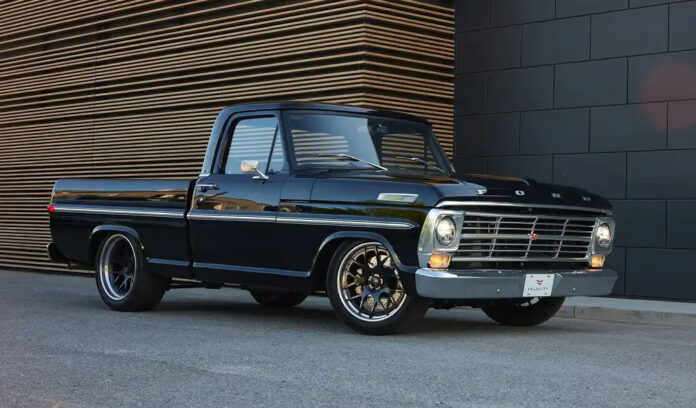
Ford’s legacy vehicles, particularly the Mustang, Galaxie, and F-Series trucks from the 1960s and 1970s, remain among the most sought-after platforms for restoration.
Their combination of iconic styling, robust engineering, and widespread parts availability makes them ideal candidates for both show-quality builds and driver-quality restorations.
But with popularity comes complexity — the more refined the build, the more critical each component becomes.
One of the most overlooked aspects of classic vehicle restoration is the electrical system. Original wiring harnesses from the 1960s and 1970s were never designed to handle modern accessories, upgraded lighting, or high-output audio systems.
Aging insulation, corroded terminals, and undersized grounds are among the most common causes of electrical failure in restored vehicles — and they can be genuinely dangerous if left unaddressed.
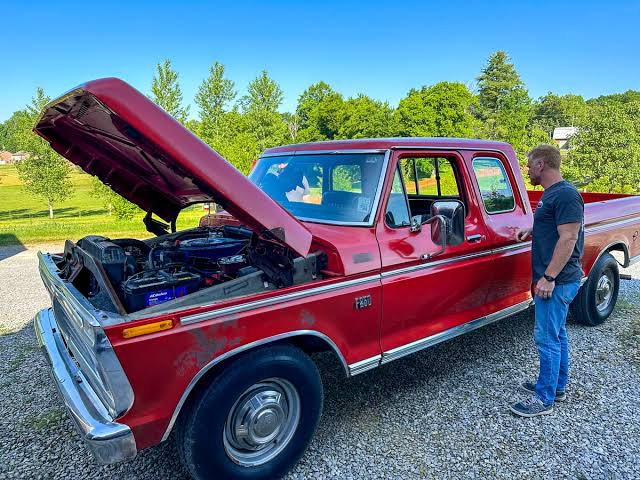
Selecting the right battery is equally critical. For diesel-powered Ford trucks in particular, the demands placed on a battery are substantial.
Cold cranking amps, reserve capacity, and long-term durability all factor into the equation. If you’re working on a heavy-duty Ford truck restoration or upgrade, understanding which battery options perform best for the Ford F350 diesel can save you significant time and frustration down the road.
The wrong battery in a high-demand application isn’t just inconvenient — it can compromise the entire electrical system.
Upgrading Without Compromising Authenticity
The challenge for serious restorers is integrating modern electrical reliability without sacrificing the visual authenticity that makes a classic Ford so compelling.
Fortunately, the aftermarket has responded with solutions that allow builders to run modern wiring, relays, and fuse blocks while keeping the engine bay and interior looking period-correct.
Hidden battery trays, concealed relay panels, and factory-style wiring looms are all available for the most popular Ford platforms. The key is planning these upgrades early in the build process rather than retrofitting them after the fact.
Revology Cars: Redefining What a Classic Ford Can Be
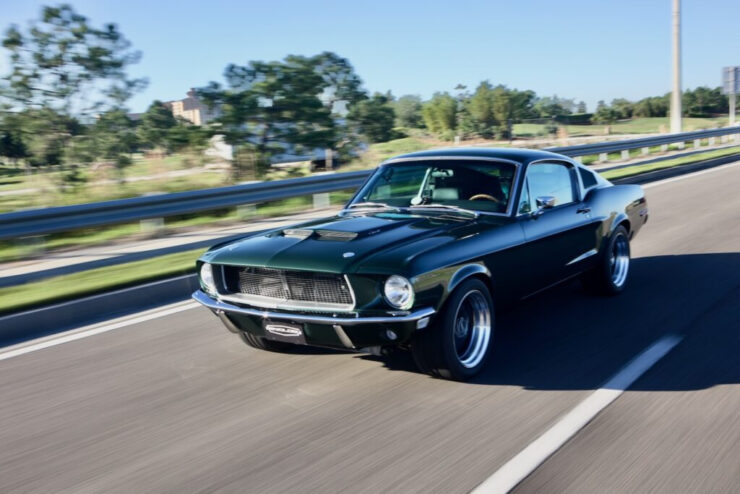
Revology Cars has established itself as one of the most respected names in the classic Ford restoration and continuation car space.
Specializing in meticulously crafted reproductions of iconic Ford Mustangs from the 1960s, Revology combines the timeless aesthetics of the original design with modern mechanical underpinnings — delivering a driving experience that no original vehicle from that era could match.
Their builds feature modern fuel injection, updated suspension, contemporary safety systems, and refined interiors, all wrapped in bodywork that is visually indistinguishable from the classics that inspired them.
A Standard That Inspires the Broader Community
What Revology has accomplished goes beyond building exceptional cars. Their approach has helped set a new standard for what the restoration and continuation car community can aspire to.
By demonstrating that classic styling and modern performance are not mutually exclusive, they’ve encouraged a generation of builders to think more ambitiously about their own projects.
The craftsmanship, attention to detail, and engineering discipline evident in every Revology vehicle serves as a benchmark — a reminder that excellence in this field is achievable when passion is matched with precision.
The Role of Modern Technology in Classic Builds
It would be a mistake to view classic restoration as purely backward-looking. The most compelling builds today draw on modern technology in ways that enhance rather than diminish the original character of the vehicle.
Fuel injection systems tuned to replicate the throttle response of a carburetor, suspension geometry refined through computer modeling, and paint processes that produce finishes far superior to anything available in the 1960s — these are the tools of the modern restorer.
Even Ford itself has embraced the idea that heritage and innovation can coexist.
The company’s ongoing investment in electric vehicle technology and its broader vision for the future of driving reflects a commitment to pushing boundaries while honoring the legacy that made the brand iconic.
For those curious about how Ford is shaping the next chapter of automotive history, exploring Ford’s vision for electric innovation and the future of driving offers a compelling look at where the brand is headed.
Bridging Heritage and Innovation
The conversation between past and future is one of the most interesting dynamics in automotive culture right now.
Classic Ford enthusiasts who once viewed electrification with skepticism are increasingly open to hybrid approaches — using modern powertrains to enhance reliability and performance while preserving the visual and emotional character of the original vehicle.
This isn’t a betrayal of tradition; it’s an extension of it. Ford’s engineers in the 1960s used every tool available to them to build the best possible vehicles. Today’s restorers are doing exactly the same thing.
Practical Advice for Aspiring Restorers
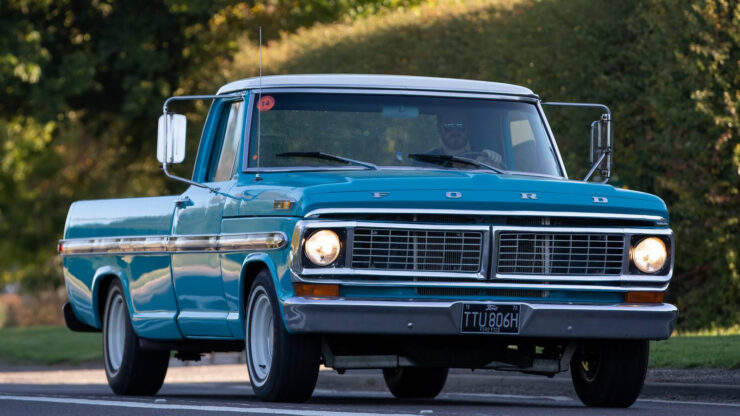
If you’re planning a classic Ford restoration, the most important thing you can do before turning a single wrench is to define your goals clearly.
Are you building a show car, a driver, or something in between? Will you prioritize originality or performance?
How much of the work will you do yourself, and where will you rely on specialists? These questions shape every decision that follows, from the parts you source to the shop you choose.
Documentation is equally important. Photograph everything before disassembly. Keep records of every part number, every supplier, and every modification.
Not only does this protect your investment, it also makes the vehicle far more valuable to future owners who want to understand its history.
A well-documented restoration tells a story — and in the collector car world, provenance matters enormously.
Conclusion: The Enduring Appeal of the Classic Ford
Classic Ford restoration is more than a hobby — it’s a discipline, a craft, and for many, a genuine passion that connects them to something larger than themselves.
Whether you’re drawn to the raw power of a big-block Mustang, the workhorse character of a vintage F-Series, or the elegant simplicity of a 1960s Galaxie, the rewards of doing the work properly are immeasurable.
With the right knowledge, the right components, and the right partners, a classic Ford can be transformed into something that honors its origins while exceeding every expectation.
That’s the promise of restoration done right — and it’s a promise worth keeping.